Palazzo Gallio

"Tolomeo Gallio... pleased by the mild climate and the beauty of the place, embellished and made more illustrious the noble town of Gravedona." — Inscription under the Main Loggia, 1586The Heritage of the Four Towers
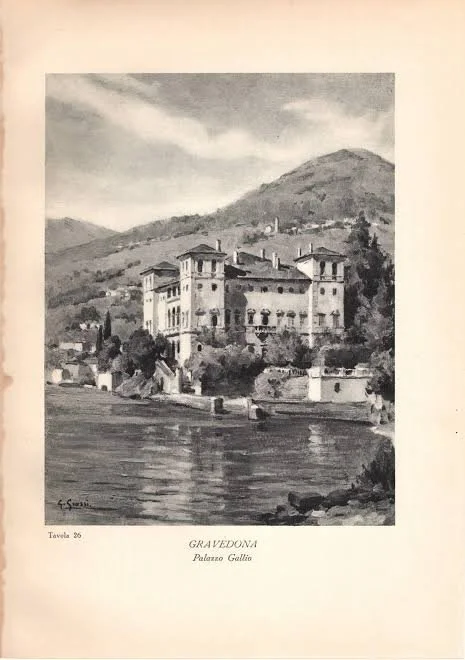
Commissioned in 1586, Palazzo Gallio was built by Cardinal Tolomeo Gallio, Prince of the Holy Roman Church and Secretary of State to the Papacy. Drawn to Gravedona by its mild climate and sweeping views, the Cardinal envisioned a palace that would stand as a symbol of his influence over the surrounding region.
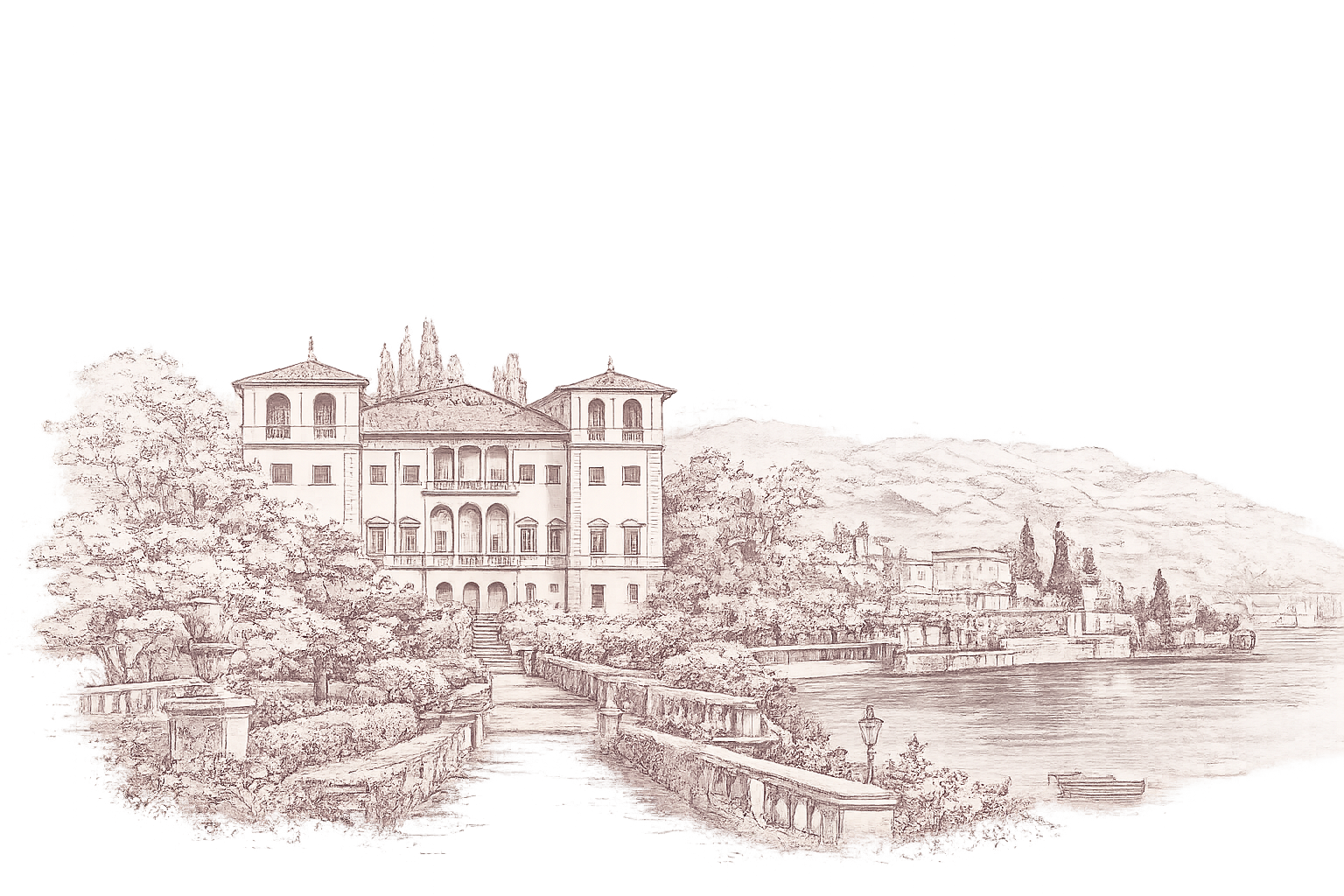
He commissioned renowned architect Pellegrino Tibaldi—a favorite of Saint Charles Borromeo—to bring his vision to life. Rising over the ruins of a 12th-century medieval fortress, Tibaldi's symmetrical four-tower design balanced the grandeur of a fortified estate with the elegance of an Italian residence.
Inside the Palace Grounds
Nearly five centuries later, Palazzo Gallio retains much of its original Renaissance character. Two grand floors unfold around a monumental central hall, while triple-arched loggias frame views of the lake and surrounding mountains.
Beyond the palace lie its historic terraced gardens. Cultivated since the 16th century with rare herbs and exotic botanicals, the grounds are particularly known for their ancient camellia trees, which fill the gardens with color each spring.
Centuries of Transformation

Late 1600s
1586 - 1607
The Golden Era
The palace's vast halls were filled with rare ivory and ebony furnishings, fine porcelain, and works of art brought from across Europe and beyond.
An Estate in Transition
Palazzo Gallio passed to the Dukes of Alvito and later served as a military hospital for French and Spanish troops during periods of regional conflict.
19th Century & Beyond
Preservation
After passing into private ownership—and even briefly housing a silk mill within one of its wings—the palazzo was ultimately designated a National Monument of Italy, preserving its remarkable architecture for generations to come.